
Functional Medicine · Gut Health
What Can GI-MAP Testing Really Tell You About Your Gut Health?
Understanding what advanced stool testing can reveal, what its limitations are, and why interpreting the results in context matters.
By Unscripted Functional Aesthetic Medicine
· 7 min read
When Digestive Symptoms Leave You Looking for Answers
Persistent bloating, abdominal discomfort, and bowel habits that never quite settle can wear on you. They affect how you eat, how you sleep, and how you feel about your day.
Some patients have already had testing or tried one dietary change after another without a satisfying explanation. Others have heard about GI-MAP testing from a friend or online and want to know whether it could offer useful additional information.
GI-MAP is one testing option Keri may consider when it is clinically appropriate. It is not necessary for everyone with digestive symptoms, and it works best as part of a thoughtful evaluation rather than as a stand-alone answer.
What Is GI-MAP Testing?
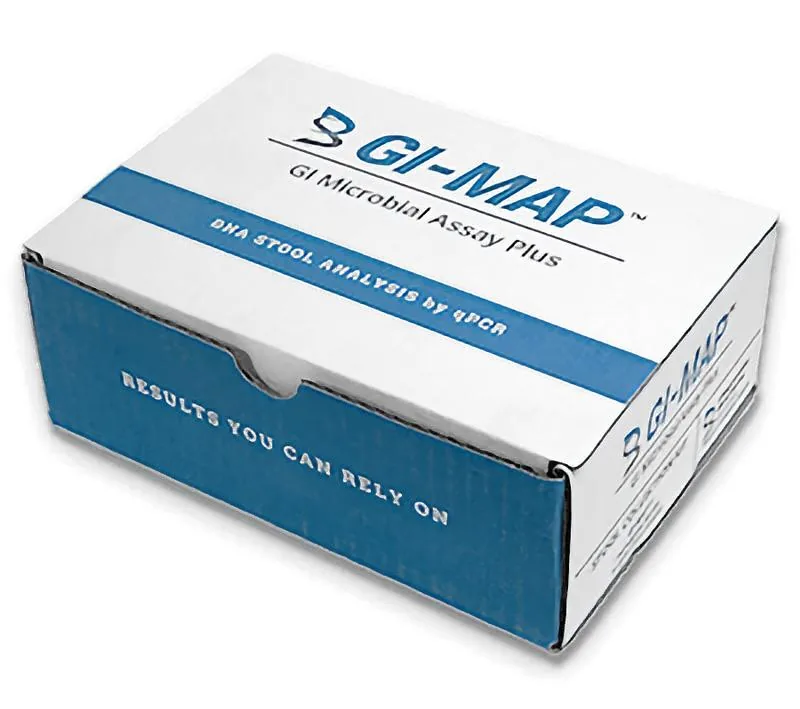
GI-MAP stands for GI Microbial Assay Plus. It is a stool test developed by Diagnostic Solutions Laboratory that uses quantitative polymerase chain reaction (qPCR) technology to detect and measure DNA from selected microorganisms.
In plain terms, qPCR looks for specific genetic "signatures" in a stool sample and estimates how much of each one is present. This allows the lab to report on a defined panel of bacteria, parasites, fungi, and viruses.
Two points are worth understanding before you test:
- It measures selected targets. GI-MAP reports on a specific panel, not every organism living in the gut.
- DNA is not the same as disease. Detecting an organism's DNA does not, by itself, confirm an active infection or prove that the organism is causing your symptoms.
The laboratory describes what the assay can measure. How useful a given result is for an individual patient is a separate clinical question, and for some markers the independent evidence is still developing.
What Can GI-MAP Testing Evaluate?
A GI-MAP report is organized into several categories. Here is what each can and cannot tell you.
Gut Bacteria and Microbial Composition
The gut microbiome is the community of microorganisms that live in your digestive tract. GI-MAP measures selected beneficial and opportunistic bacterial groups. Microbiome composition naturally varies from person to person and changes with diet, medications, and illness, so a value outside the reported range does not automatically represent disease.
H. pylori
Helicobacter pylori is a common bacterium that can live in the stomach lining. Clinicians investigate it because it is associated with gastritis, peptic ulcers, and, over the long term, an increased risk of stomach cancer. GI-MAP includes H. pylori DNA targets and selected associated virulence markers. Decisions about confirmatory testing and treatment depend on your clinical circumstances and established guidance, such as that from the American College of Gastroenterology. Read more in our H. pylori article.
Selected Digestive Pathogens
The panel screens for selected bacterial, parasitic, and viral pathogens. Finding genetic material from one of these organisms is different from establishing a clinically significant infection. Low levels may be incidental, and results need to be matched against your symptoms and history before any treatment is considered.
Digestive Function
Depending on the panel ordered, GI-MAP may include markers such as pancreatic elastase, an enzyme produced by the pancreas. Low levels can suggest reduced pancreatic enzyme output and may prompt further evaluation. A single marker does not diagnose exocrine pancreatic insufficiency on its own.
Intestinal Inflammation
Markers such as calprotectin reflect inflammatory activity in the intestine. An elevated result may indicate a need for additional medical evaluation, which can include referral to a gastroenterologist. GI-MAP does not independently diagnose inflammatory bowel disease or other gastrointestinal conditions.
Who Might Benefit From a More Comprehensive Gut Health Evaluation?
A deeper look at gut health may be worth discussing if you are dealing with:
- Persistent bloating or digestive discomfort
- Changes in bowel habits
- Questions about a previously identified gastrointestinal infection
- Ongoing digestive symptoms without a clear explanation
- Interest in understanding whether additional gastrointestinal evaluation is appropriate
In some situations, conventional testing, a thorough medical history, a physical examination, or a specialist evaluation is the better path. Symptoms such as rectal bleeding, unintended weight loss, difficulty swallowing, persistent vomiting, or severe abdominal pain call for prompt conventional medical care rather than functional testing. The goal is thoughtful evaluation, not unnecessary testing.
What Happens After GI-MAP Testing?
Ordering a test is only one part of personalized medical care. The more important part is what happens next.
Keri considers GI-MAP findings alongside your symptoms, medical history, medications, nutrition, lifestyle, and overall health goals. Depending on the full picture, recommendations may include:
- Additional evaluation or confirmatory testing
- Dietary or lifestyle guidance
- Medically appropriate treatment
- Referral to a gastroenterologist or other specialist
Not every abnormal microbiome finding requires intervention.
Sometimes the most useful outcome is reassurance, or a decision to monitor rather than treat. Qualified clinical interpretation is what turns a report into a sensible plan.
Why the Provider Matters as Much as the Test
Keri King, MPAS, PA-C, combines her medical background as a licensed physician assistant with advanced education in restorative health. Her approach is to evaluate the whole patient rather than interpret a laboratory report in isolation.
When medically appropriate and within her scope of practice, Keri can evaluate conditions that may require prescription treatment or additional diagnostic workup. Functional testing complements conventional medicine; it does not replace it.
GI-MAP Testing at Unscripted
GI-MAP is one of several tools available through our functional medicine services. Our practice is located on Dallas Parkway in North Dallas and welcomes patients from surrounding communities, including Addison, Plano, and Frisco.
Patients typically start with a functional medicine evaluation to talk through symptoms and decide together whether specialized testing makes sense. You can learn about the test itself on our GI-MAP testing page, or see how the Unscripted wellness pathway works from evaluation through ongoing care.
Frequently Asked Questions
What is the difference between GI-MAP and traditional stool testing?
GI-MAP uses quantitative PCR (qPCR) to measure DNA from a selected panel of microorganisms and includes additional digestive and inflammatory markers. Conventional stool testing may use culture, antigen detection, targeted molecular methods, or other approaches, chosen according to the specific clinical question. Neither approach is automatically better; the right test depends on what your provider is trying to answer.
Can GI-MAP identify the cause of bloating?
Not on its own. Bloating can be related to diet, motility, food intolerances, medications, hormonal changes, stress, and many medical conditions. No single stool test can identify every possible cause. GI-MAP results can add information, but they need to be interpreted alongside your symptoms and history.
Does everyone with digestive symptoms need GI-MAP testing?
No. Testing decisions should reflect your individual symptoms, medical history, examination findings, and established clinical approaches. For many patients, conventional testing or specialist evaluation is the more appropriate first step.
Can Keri King review GI-MAP results and recommend next steps?
Yes. Keri King, MPAS, PA-C, reviews GI-MAP results in the context of your symptoms, history, medications, and goals. Within her professional scope, she can recommend further evaluation, nutrition and lifestyle guidance, medically appropriate treatment, or referral to a specialist when needed.
A More Thoughtful Approach to Gut Health
Your health story is more than a laboratory report.
At Unscripted, we believe meaningful care begins with understanding your individual concerns, history, and goals. If ongoing digestive symptoms have you looking for answers, Keri can help determine which next steps may be appropriate.
Related Reading
References
- Diagnostic Solutions Laboratory. GI-MAP (GI Microbial Assay Plus) test information.
- Chey WD, et al. ACG Clinical Guideline: Treatment of Helicobacter pylori Infection. Am J Gastroenterol. 2024.
- National Institute for Health and Care Excellence (NICE). Faecal calprotectin diagnostic tests for inflammatory diseases of the bowel (DG11).
- Whitcomb DC, et al. AGA Clinical Practice Update on the Epidemiology, Evaluation, and Management of Exocrine Pancreatic Insufficiency. Gastroenterology. 2023.
- Lacy BE, et al. ACG Clinical Guideline: Management of Irritable Bowel Syndrome. Am J Gastroenterol. 2021.
This article is educational and is not a substitute for individualized medical advice. Testing and treatment are determined during evaluation when clinically appropriate. Wellness care is not a substitute for emergency or acute medical care.