Botox Didn't Work? 5 Reasons Your Results Aren't What You Expected
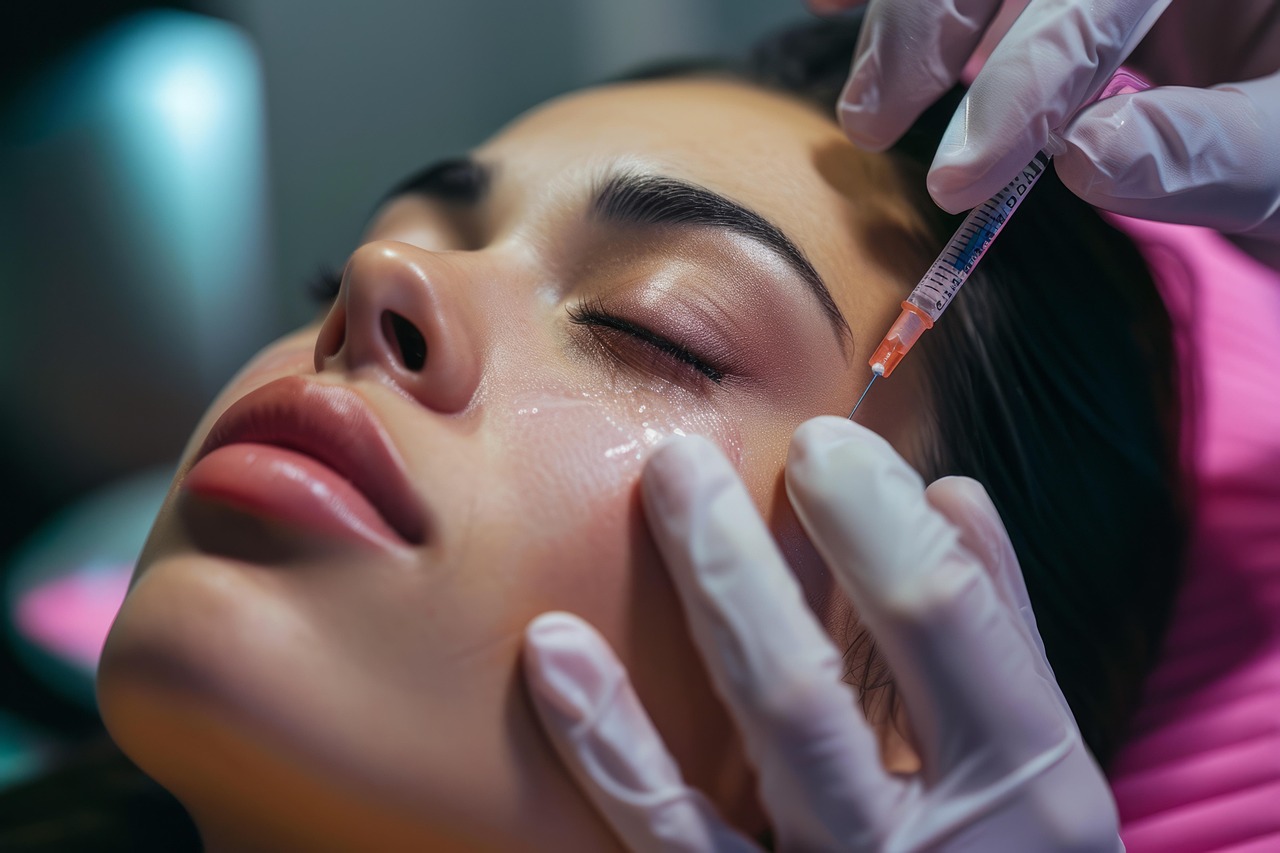
If you've recently had Botox and find yourself wondering whether it actually worked, you're not alone. One of the most common concerns we hear is:
"My Botox doesn't look like I expected—did something go wrong?"
In many cases, Botox is working exactly as intended—but a few key factors can affect how results develop, how long they last, and how natural they look. Below are the most common reasons Botox results feel disappointing, along with what's normal versus what's worth evaluating.
1. You're Judging Results Too Early
Botox does not work instantly. While some muscle relaxation may begin within a few days, final results take up to 14 days to fully develop.
During this period:
- Muscles gradually weaken
- Facial balance settles
- Subtle asymmetries often self-correct
Evaluating Botox too early can lead to unnecessary touch-ups and over-treatment, which is why experienced injectors recommend waiting a full two weeks before making changes.
2. Not All Botox Is Administered the Same
Botox is the same medication—but how it's administered varies significantly from provider to provider.
Differences in:
- Facial anatomy assessment
- Muscle mapping
- Dilution and dosing strategy
- Injection depth and placement
can all influence how your results look and how they evolve over time.
Some providers aim for maximum muscle relaxation quickly, while others take a more conservative, layered approach designed to preserve natural expression and reduce the risk of over-treatment. Neither philosophy is inherently wrong—but they can produce very different timelines and outcomes. Understanding how many units of Botox you need can help set realistic expectations.
This is one reason why Botox results may feel underwhelming at first, especially when the goal is a subtle, natural look.
3. Your Facial Anatomy Plays a Bigger Role Than You Think
Every face is different. Muscle strength, symmetry, and habitual movement patterns all affect how Botox performs.
For example:
- Stronger muscles may require more time (or staged dosing)
- One side of the face often metabolizes Botox faster
- Certain areas respond more gradually than others
Botox is not "one-size-fits-all," and effective treatment depends on understanding how your muscles behave—not just where wrinkles appear.
4. Metabolism and Lifestyle Can Affect Longevity
If your Botox seems to wear off faster than expected, your metabolism may be playing a role.
Factors that can shorten duration include:
- High physical activity levels
- Faster metabolic rate
- Frequent sun exposure
- Shorter intervals between treatments
This doesn't mean Botox "didn't work"—it simply means your body processes it more quickly. Treatment plans can often be adjusted once this pattern is identified. For more on what influences results over time, read our guide on how long Botox and Dysport really last.
5. You May Actually Need a Follow-Up—Not More Botox
Sometimes results feel incomplete not because more product is needed, but because balance needs to be refined.
A proper follow-up evaluation looks at:
- Facial movement, not just static lines
- Symmetry during expression
- How muscles interact as Botox settles
In many cases, a small adjustment—or simply more time—leads to better outcomes than adding more units too soon.
When to Consider a Professional Assessment
If your Botox results feel:
- Uneven
- Short-lived
- Overly stiff or underwhelming
a medical assessment can often determine whether technique, muscle dominance, or dosing strategy played a role.
At Unscripted, Botox is evaluated based on movement, symmetry, and long-term muscle behavior—not just frozen lines at rest. The goal is natural, balanced results that age well over time.
Final Thoughts
Botox results are rarely black and white. Timing, technique, anatomy, and metabolism all contribute to how outcomes develop. Understanding these variables helps set realistic expectations—and prevents unnecessary over-treatment.
If you're unsure about your results or considering Botox for the first time, a thoughtful evaluation can make all the difference.
Ready to learn what approach works best for your face?
Schedule a consultation to discuss your goals and create a plan designed around you.
Learn More About Our Neurotoxin Treatments