
Skin Care · Addison, North Dallas, and Plano
What Does Your Skin Actually Need? A Guide to Personalized Skin Care
By Unscripted Functional Aesthetic Medicine
· 5 min read
When your skin isn’t looking or feeling its best, it’s tempting to add something new: another serum, a stronger exfoliant, or the treatment everyone is talking about.
But choosing your next step starts with understanding what your skin needs—and what your current routine may already be doing.
What Does Your Skin Actually Need?
Start with a comfortable foundation of gentle cleansing, moisturizing, and sun protection. Then match targeted products or professional treatments to your concerns, sensitivities, and goals. Personalized skin care is about suitability and consistency—not using everything available.
Personalized skin care brings those pieces together. It considers your concerns, sensitivities, daily habits, and goals before making recommendations.
Start With the Concern, Not the Product
“Better skin” means different things to different people. You might want fewer breakouts, less dryness, more even-looking tone, or a simpler routine.
Be specific about what you notice. Does your skin feel tight after cleansing? Do certain products sting? Have you noticed a change since introducing something new?
These details are more useful than following a routine simply because it worked for someone else. Persistent breakouts may warrant a conversation about individualized acne care, rather than repeatedly changing products.
More Products Don’t Always Make a Better Routine
Before adding another step, take inventory of what you use.
Include cleansers, moisturizers, sunscreen, exfoliants, masks, prescription products, and anything you apply occasionally. Note how often you use each one and whether you’ve noticed discomfort.
The goal is to give each product a clear purpose. A routine should also be manageable enough to follow consistently.
- List each product and what you use it for.
- Record how often you apply it.
- Note tightness, stinging, redness, or other reactions.
- Bring that inventory to your consultation before adding more steps.
Get the Basics Right
A practical foundation usually includes gentle cleansing, moisturizing, and sun protection. The American Academy of Dermatology recommends broad-spectrum, water-resistant sunscreen with SPF 30 or higher.
Your individual needs influence the products you choose. A cleanser that feels comfortable on one person’s skin may feel drying on another’s. A moisturizer you enjoy using consistently may be more useful than an expensive one that sits untouched.
Price and popularity are not substitutes for suitability.
Introduce Targeted Products Thoughtfully
Once the foundation is in place, additional products can be considered for specific concerns.
Retinol and other retinoids, for example, may help address certain concerns involving texture, pigmentation, or visible aging, but they can also cause irritation. Suitability, strength, and frequency matter. The AAD’s retinoid guidance explains why these products are not appropriate for every person; discuss pregnancy or pregnancy plans with your provider before use.
Ask what a recommendation is intended to accomplish, how to introduce it, and what signs mean you should pause and contact your provider.
Changing several products at once can also make it harder to tell which change helped—or caused a problem. At Unscripted, NOON Aesthetics medical-grade skincare may be considered when appropriate for your individual plan; a brand name alone does not determine what your skin needs.
Understand Where Professional Treatments Fit
Home care and in-office treatments have different roles. A consultation can help you understand whether a professional treatment is appropriate and how it would fit into your broader plan.
Before deciding, ask:
- What concern is this treatment intended to address?
- What improvement is realistic?
- What recovery or aftercare is involved?
- Are multiple visits likely to be needed?
- What are the alternatives and total expected costs?
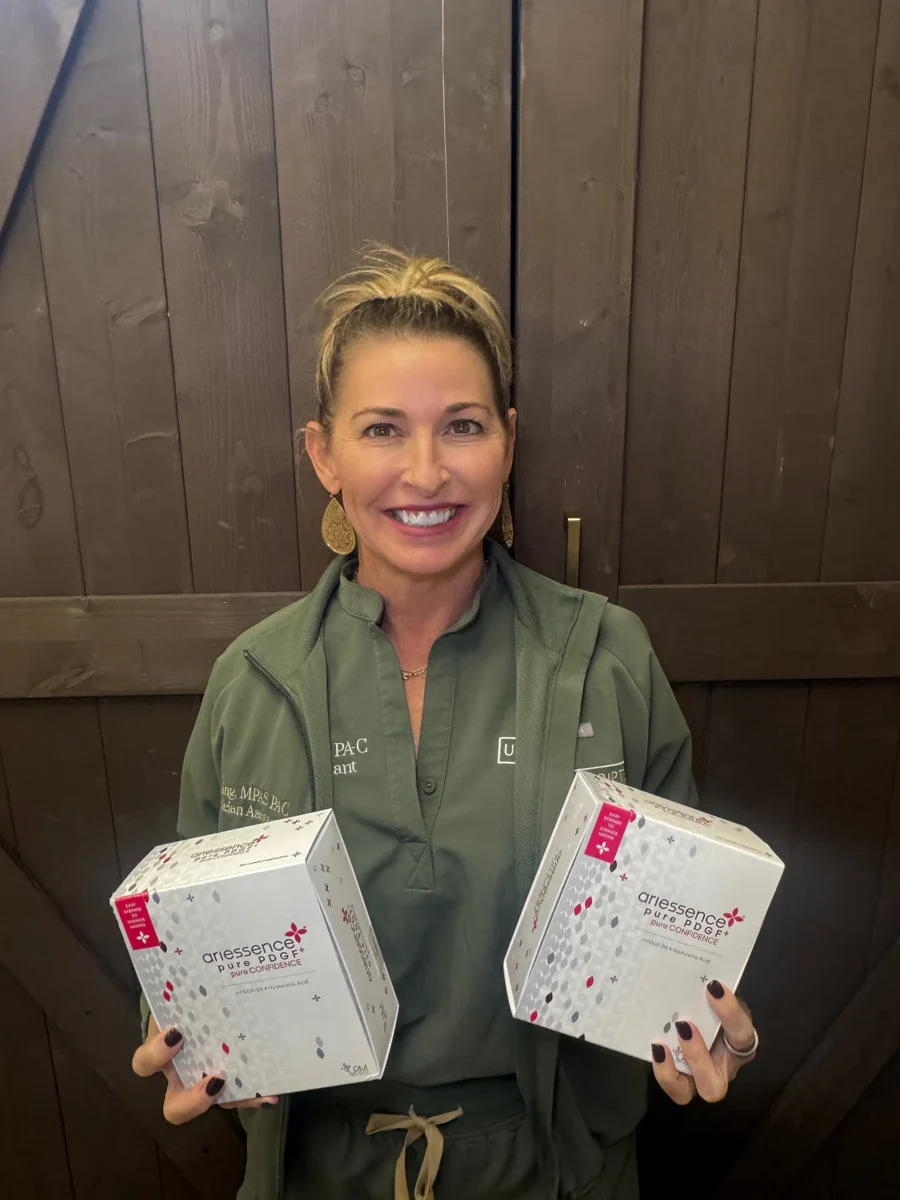
The right plan should make those decisions clearer, without making you feel that you need everything available. If microneedling or another skin-quality treatment is discussed, your provider can explain its role and limitations. Our guide to PDGF and skin quality offers additional context for one of the options shown in the photo—not a recommendation that every patient needs it.
Give Your Plan a Way to Be Evaluated
Ask when to reassess your routine and what progress might look like. Different concerns and treatments have different timelines, so there is no single deadline that applies to everyone.
Taking occasional photos in similar lighting can help you discuss changes more clearly at follow-up visits.
Your plan can also change as your needs, preferences, or tolerance change.
What Should You Bring to a Skin Care Consultation?
Bring your questions, your priorities, and a list or photos of your current products. Mention previous treatments, prescription skin medications, and any reactions you’ve experienced.
You don’t need to arrive knowing which procedure or product you want. Helping you understand your options is part of the conversation.
Personalized Skin Care Starts With Listening
At Unscripted Functional Aesthetic Medicine, Keri King, MPAS, PA-C, helps patients connect their skin concerns with practical, individualized recommendations.
Whether you want to simplify your routine or explore treatment options, start with a conversation about what matters to you. Our Addison-area clinic serves patients from Addison, North Dallas, and Plano.
Personalized Skin Care: Common Questions
What is personalized skin care?
Personalized skin care considers your concerns, sensitivities, current products, daily habits, and goals before recommending a routine or treatment. The aim is a practical plan suited to your skin, rather than a routine copied from someone else.
What should a basic skin care routine include?
A practical foundation usually includes gentle cleansing, moisturizing, and sun protection. The American Academy of Dermatology recommends broad-spectrum, water-resistant sunscreen with SPF 30 or higher. Product choices should reflect your skin’s needs and tolerance.
Should I add more products if my skin is not improving?
Not necessarily. First review what you already use, how often you use it, and whether it causes discomfort. Adding several products at once can make it harder to identify what helps or irritates your skin.
Is retinol right for everyone?
No. Retinol and other retinoids may help with certain texture, pigmentation, acne, or visible-aging concerns, but they can cause irritation. Suitability, strength, and frequency matter. Discuss sensitive skin and pregnancy or pregnancy plans with your provider before using retinoids.
Do I need to choose a treatment before my consultation?
No. Bring your concerns and goals, not a predetermined procedure. A consultation helps clarify whether a treatment is appropriate, what improvement is realistic, and how home care and professional treatments might fit together.
What should I bring to a skin care consultation?
Bring questions, priorities, and a list or photos of your current products. Include how often you use them, prescription skin medications, prior treatments, and any reactions. Mention pregnancy, pregnancy plans, or other relevant medical history.
How long does a personalized skin care plan take to work?
There is no single timeline. Progress depends on the concern, products or treatments selected, consistency, and individual tolerance. Ask your provider when to reassess and what changes to look for; results vary.
Who provides personalized skin care guidance at Unscripted?
Keri King, MPAS, PA-C, helps patients connect their skin concerns with individualized recommendations at Unscripted Functional Aesthetic Medicine’s Addison-area clinic, serving Addison, North Dallas, and Plano.
Let’s Tailor Your Care—Unscripted
Schedule a one-on-one consultation to discuss your concerns, review your current routine, and explore a practical plan for your skin.
Related Reading
References
- American Academy of Dermatology: How do I know if I’m using the right sunscreen?
- American Academy of Dermatology: Retinoid or retinol?
This article is educational and is not a substitute for individualized medical advice. Treatment suitability is determined during consultation. Individual results and timelines vary.